







Search Results for: Carbon Dioxide Impact

Why is it not recommended to have espresso beans ground by the roaster? The deep impact of carbon dioxide loss on espresso extraction and crema
Many coffee bean merchants offer grinding services, including Front Street Coffee, but for espresso extraction, Front Street Coffee does not recommend choosing pre-ground coffee. The reason is not just that the flavor is lost more quickly, but more critically, the carbon dioxide in the coffee beans dissipates in large amounts. Carbon dioxide plays an important role in espresso extraction by building crema and slowing down the flow rate. Once ground into powder, flavor and gases escape more rapidly, the crema becomes thinner day by day, the extraction speed increases, and it can even lead to under-extraction. At this point, the only remedies are adding more coffee or adjusting to a finer grind, but the portafilter basket has limited capacity, leaving very little room for adjustment. This article provides a detailed analysis of the specific effects of pre-ground coffee on espresso extraction, and recommends that those who have requirements for taste and crema prioritize whole beans. [more…]
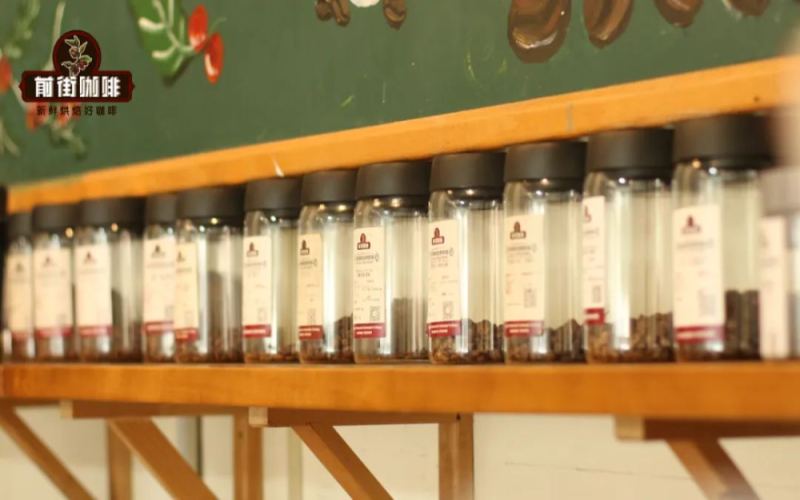
Why Do Dark Roasts Need Longer Resting? Analyzing the Impact of CO₂ Release and Oil Migration on Espresso Extraction
Many coffee enthusiasts wonder: dark-roasted beans have a loose texture, so logically the rest period should be shorter—why does it actually require more time? This article approaches the question from two angles, carbon dioxide release and oil emergence, to explain the fundamental reason why the resting period for dark-roasted espresso beans is extended. Excess carbon dioxide interferes with stable extraction on an espresso machine, affecting crema quality and troubleshooting costs; whereas medium-dark roasted beans gradually release oil during storage, which can improve crema stability and coffee body. Front Street Coffee recommends resting medium-dark roasted espresso beans for about 10 days, with darker roasts extended depending on their condition. It also reminds readers that too much oil accelerates oxidation, so attention should be paid to sealed storage and timely consumption. [more…]
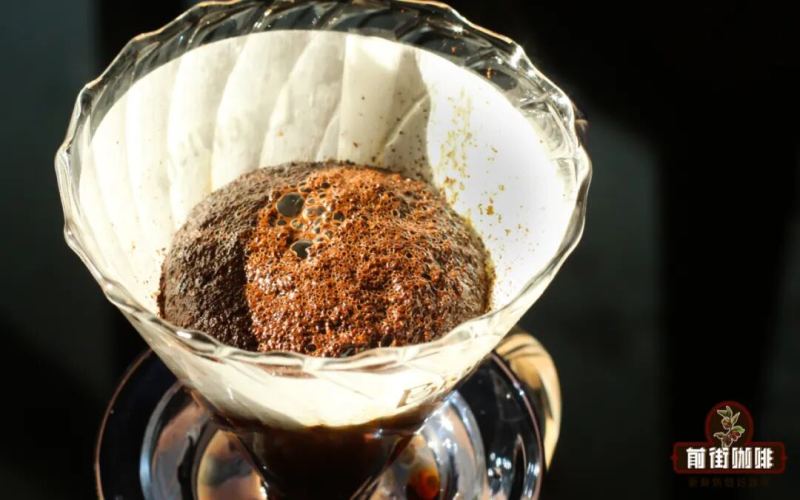
Coffee Blooming | Is blooming a must for pour-over coffee? What is the purpose of blooming coffee grounds? Does blooming or not have a big impact on coffee flavor?
After yesterday's Front Street article "How to Achieve a Perfect Bloom" was published, a friend became curious about this question—"Can pour-over coffee be made without blooming?" Undoubtedly, of course it can! But this "can" requires certain conditions. First, we need to clarify one point, that is [more…]
Is Bean Resting Really Necessary? From Pour-Over to Espresso, a Detailed Explanation of the Relationship Between Degassing and Extraction
Should freshly roasted coffee beans be left to rest before brewing? This question puzzles many enthusiasts. Today, Front Street Coffee walks you through the ins and outs of bean resting—why does coffee brewed from fresh beans taste less full-bodied? What role does carbon dioxide play in this? And how do the resting needs differ between pour-over and espresso? If you've never tasted beans that haven't been properly rested, why not start recording the flavor changes day by day from the moment your order arrives, and experience firsthand how degassing affects extraction. This article starts from the principles of bean resting, answers these questions one by one, and helps you find the right rhythm for using your beans. [more…]
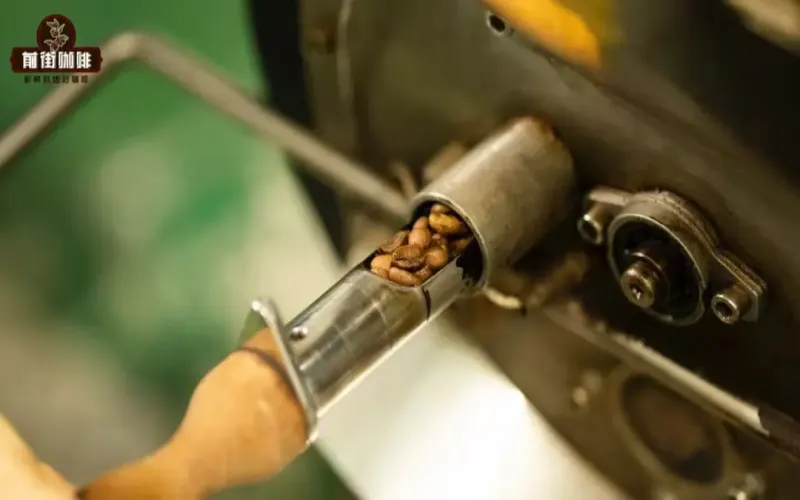
Why Do Espresso and Pour-Over Coffee Beans Have Different Resting Periods? Analyzing Degassing Time Differences from Roast Level and Extraction Method
Should you brew coffee beans immediately after buying them? Why can filter coffee beans be used after resting for three to five days, while espresso beans need to wait a few more days? Behind this are multiple factors involving carbon dioxide release, roast level, and extraction method. This article starts with the basic principles of the resting period, then explains one by one the two main reasons espresso coffee beans need a longer resting time: first, espresso beans are generally roasted darker, so they accumulate more carbon dioxide inside; second, espresso uses pressure extraction, with an extremely fine grind and very short time, so insufficient degassing will noticeably amplify its interference with the extraction result. The article also combines specific beans such as Front Street Coffee Huakui to give resting recommendations for different uses, helping you brew consistently delicious coffee at home. [more…]
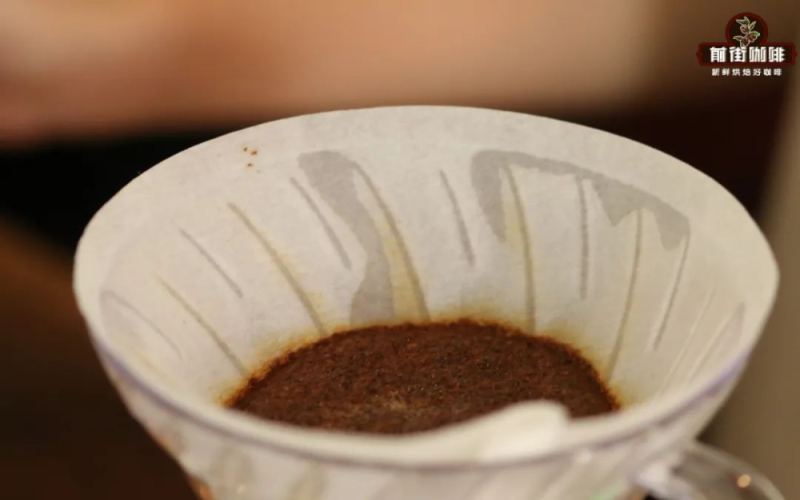
How to Control the Blooming Stage in Pour-Over Coffee? A Detailed Explanation of the Actual Impact of Water Volume, Duration, and Technique on Flavor
Blooming is a key step in pour-over coffee that affects extraction stability. By releasing carbon dioxide trapped in the coffee grounds, it creates the conditions for the smooth release of flavor compounds later on. But blooming is not absolutely necessary—the "one-pour" method previously shared by Front Street Coffee can skip this step entirely. So how exactly should you control the water amount, timing, and technique during blooming? Using 2x the coffee dose and 30 seconds as standard references, this article analyzes one by one the specific changes in coffee flavor when the water amount is too little or too much, and when the time is too short or too long, and offers pouring suggestions suitable for beginners to help you make more accurate judgments in actual practice. [more…]

How to Keep Your Sparkling Iced Americano from Overflowing at Home? Five Practical Tips to Easily Solve the Foam Problem
Many coffee enthusiasts who try to make sparkling iced Americano at home encounter a common frustration: when the espresso is poured into sparkling water, the liquid in the glass suddenly foams up violently and overflows, leaving a messy scene. In contrast, the sparkling Americano served at coffee shops is always stable and beautiful, with the coffee quietly floating on top of the sparkling water, and even stirring doesn't produce too much foam. What is the reason behind this? Actually, the formation of foam is a normal physical phenomenon resulting from the interaction between carbon dioxide and the oils and proteins in coffee, but by adjusting the pouring method, filtering out coffee impurities, controlling temperature differences, and changing the ratio of sparkling water, you can effectively suppress foam formation. This article takes Front Street Espresso Blend · Strawberry Candy Espresso as an example to share in detail five practical methods for making sparkling coffee, helping you easily create a cup of sparkling iced Americano that doesn't overflow and tastes refreshing. [more…]
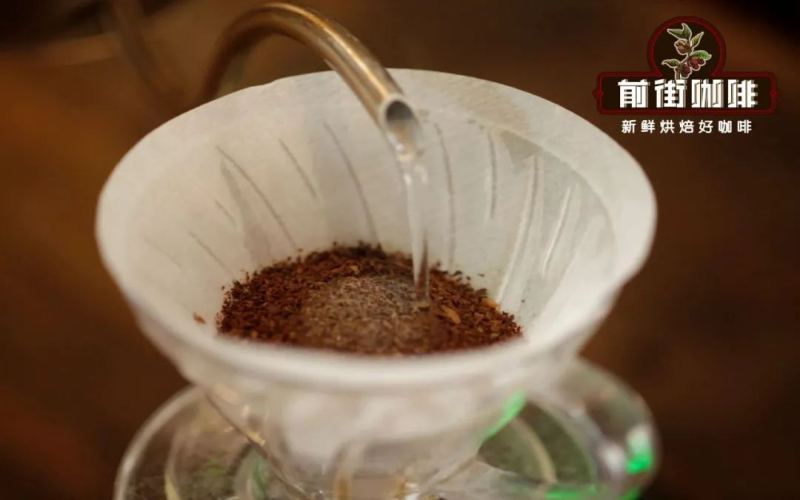
The Role of Blooming | What Does Blooming Mean in Hand-Pour Coffee? The Impact of Blooming on Coffee
Blooming is a crucial step in coffee brewing. To get straight to the point, blooming plays a vital role in determining whether the brewed coffee tastes good or not. The blooming process can even indicate whether the cup of coffee will be enjoyable, and a proper bloom can even enhance the flavor and mouthfeel of the coffee. Blooming is the starting point of brewing a pour-over coffee; if this step goes wrong, the subsequent... [more…]
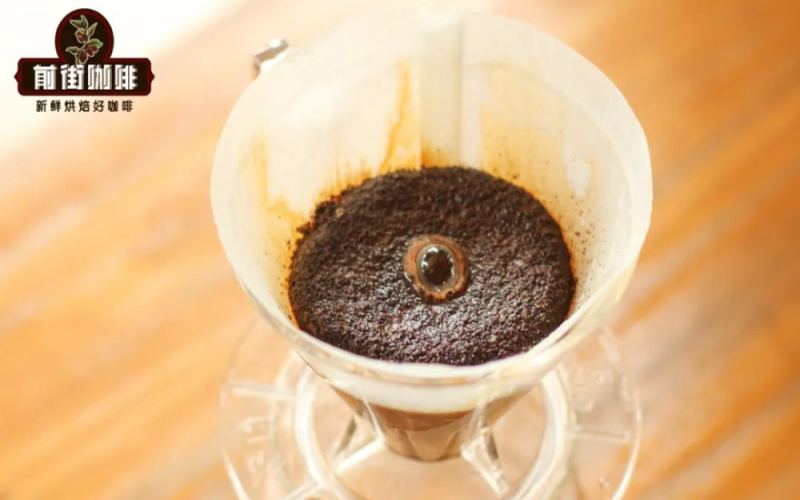
The Relationship Between Blooming Bubbles and Channeling in Pour-Over Coffee: Causes of Uneven Extraction and Practical Ways to Improve It
Blooming is a key step in pour-over coffee that allows the coffee grounds to degas and expand, but sometimes we see bubbles continuously rising from the surface of the coffee bed, or even deep craters left behind. This phenomenon is often related to clumping of fines and uneven pouring, and may trigger channeling, leading to uneven extraction. This article will analyze in detail the causes of bubbling during blooming, the specific impact of channeling on extraction, and the differences between pour-over and espresso in this regard. At the same time, we will also share two practical tips—spraying water before grinding to remove static, and using a distribution needle to break up the coffee bed before brewing—to help everyone reduce the occurrence of channeling and improve brewing consistency. If you also pursue more even extraction, read on. [more…]
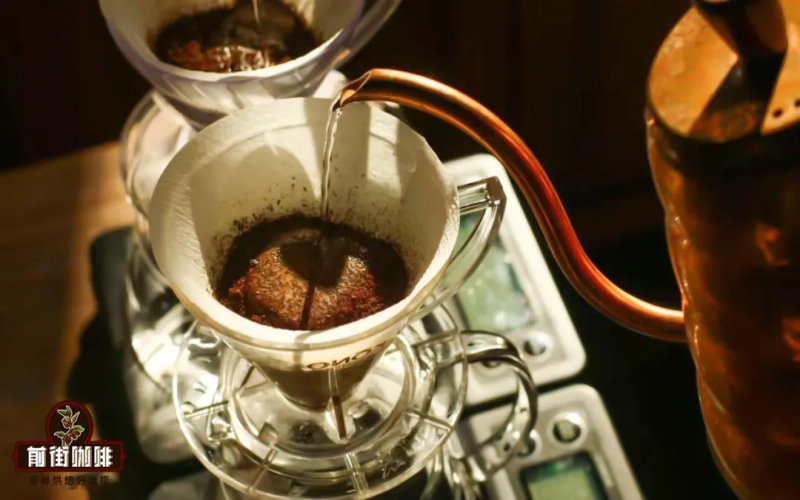
How long should you actually wait during the bloom in pour-over coffee? An analysis of the measured difference between 30 seconds and 60 seconds
Blooming is an almost indispensable step in pour-over coffee. Typically, we pour a small amount of hot water to wet the coffee bed, then wait for about 30 seconds. This seemingly simple pause—how much does it actually affect extraction? If we extend the time to 60 seconds, will the coffee taste better? Front Street conducted comparative brewing experiments with three coffee beans of different freshness levels, measuring the extraction yield difference between a 30-second and 60-second bloom, explained the mechanism of blooming from the perspective of carbon dioxide release, and offered blooming time recommendations suitable for beginners. [more…]

Why Moka Pots and Espresso Machines Produce Thin Crema: The Nature of Crema, Carbon Dioxide, and Pressure Explained
Many friends who use moka pots or espresso machines run into the problem of thin crema in their espresso. In fact, what we call "coffee oil" isn't real oil at all, but an emulsion-like foam called crema, formed when coffee lipids wrap around carbon dioxide bubbles. Two core factors affect how rich the crema is: the carbon dioxide content of the coffee beans themselves, and the pressure applied during extraction. Carbon dioxide content depends on roast level and freshness, while pressure is closely tied to dose and grind size. This article breaks down the reasons for thin crema one by one, explains why the amount of crema doesn't directly equate to coffee quality, and recommends Front Street Coffee beans suited to moka pots and espresso machines, helping you adjust your extraction approach accordingly. [more…]
Pre-infusion in Espresso Extraction: Principles, Effects, and Key Operating Points Explained
In pour-over coffee, blooming is a key step to release carbon dioxide and improve subsequent extraction. So can espresso, before high-pressure extraction, borrow this same idea? The answer is yes—this is what is called "pre-infusion." Starting from the underlying principles, this article will explain the similarities between pre-infusion and pour-over blooming, analyze its actual impact on extraction yield and channeling, and offer specific operating recommendations such as low-pressure water delivery and soaking duration. It will also explain which beans are suitable for pre-infusion and in which situations this step can be skipped, helping you manually make more consistent espresso even on a machine without a one-touch pre-infusion function. [more…]
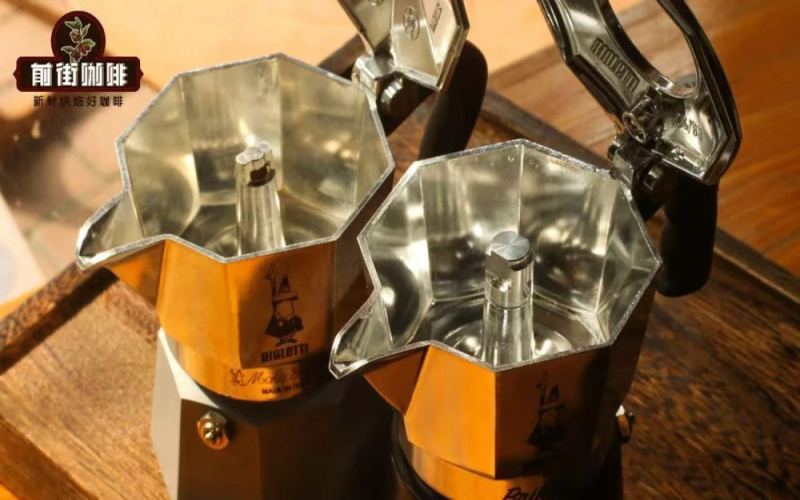
The Complete Guide to Extracting Rich Crema with a Moka Pot: Principles, Bean Selection, and Operational Techniques Explained in Detail
Many moka pot users are puzzled by why the coffee they brew lacks that alluring golden crema, while the pictures shown by merchants always feature thick foam. In fact, the essence of moka pot crema is the same as the Crema of espresso—both are foam clusters formed by carbon dioxide wrapped in emulsified oils, except that the pressure a moka pot can provide is far lower than that of an espresso machine, resulting in coarser and thinner foam. Starting from the common questions in Front Street Coffee's back-office inquiries, this article first analyzes the essence and formation conditions of crema, then systematically shares practical methods to enhance the richness of moka pot crema, including coffee bean selection, grind size adjustment, water temperature control, and the use of a pressure valve, and recommends several Front Street Coffee brand coffee beans suitable for moka pots, helping you easily extract a satisfyingly rich crema. [more…]
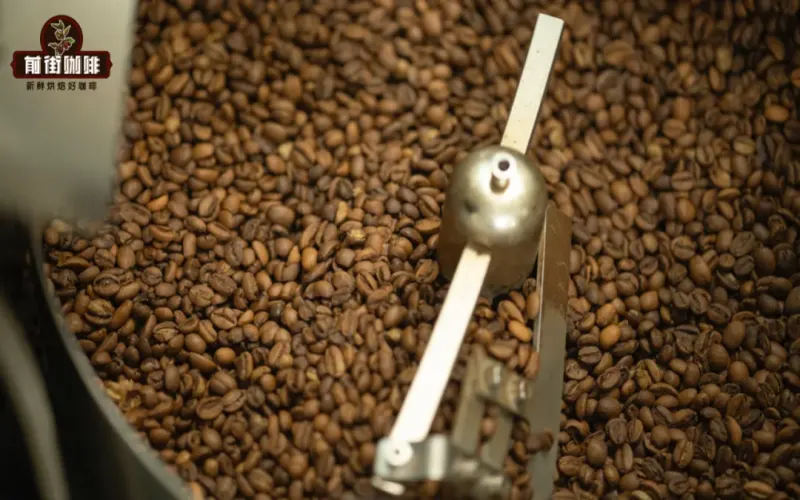
Pour-over strategies for freshly roasted coffee beans and those whose peak flavor window is closing, plus an analysis of the causes of over-extraction
The freshness of coffee beans has a significant impact on extraction. Freshly roasted beans are rich in carbon dioxide internally, and this gas interferes with the combination of hot water and flavor compounds; while beans past their optimal flavor period face a different set of brewing logic. This article focuses on the pour-over adjustment methods for these two extreme states, with emphasis on how to respond to newly roasted beans with vigorous degassing by extending the bloom and raising extraction parameters, and also analyzes the reasons behind why pour-over coffee is prone to over-extraction. At the same time, using the regular light roast approach of "Front Street" as an example, specific parameter adjustment suggestions are provided to help coffee enthusiasts achieve ideal cup performance under different bean conditions. [more…]
Does Decaf Coffee Lose Flavor? A Complete Guide from Processing to Roasting Techniques
For people sensitive to caffeine, decaf coffee offers a choice that lets them enjoy the flavor of coffee without worrying about insomnia. But how exactly is caffeine removed from decaf coffee? Will the flavor suffer greatly after removal? Can it still reach specialty grade? From the perspective of Front Street Coffee, this article sorts out the historical origins of decaf coffee, three mainstream decaffeination processes (solvent extraction, carbon dioxide treatment, water treatment), analyzes the impact of each method on flavor and health, and shares the unique challenges and coping techniques of decaf coffee during roasting, helping coffee lovers fully understand the pros and cons of decaf coffee and the truth about its quality. [more…]
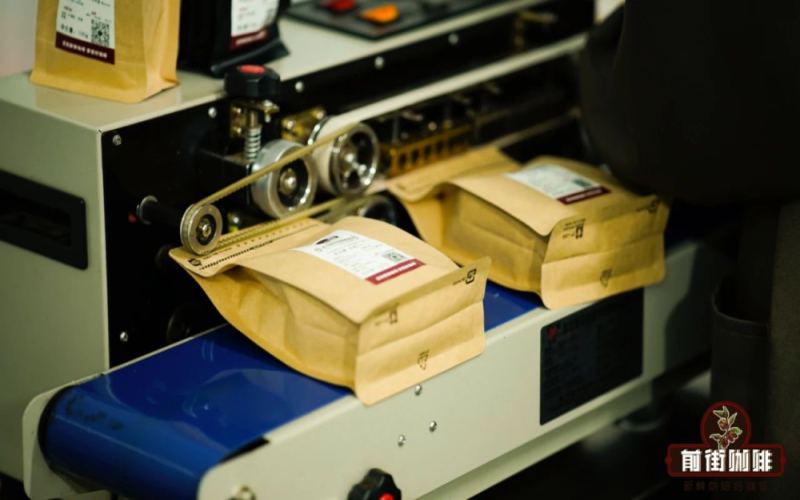
Coffee Grounds Storage | What Factors Affect the Freshness of Roasted Coffee Beans? How Long Is the Shelf Life of Freshly Ground Coffee? Do Coffee Beans Still Need to Be Rested After Grinding?
Recently, a friend asked Front Street Coffee: "Why should the air valve be sealed after coffee beans are ground into powder? Wouldn't that prevent the carbon dioxide inside the package from escaping?" The meaning of the exhaust valve on coffee packaging. Front Street Coffee immediately seals and packages the coffee beans after roasting and cooling, which can minimize the loss of coffee bean flavor. [more…]
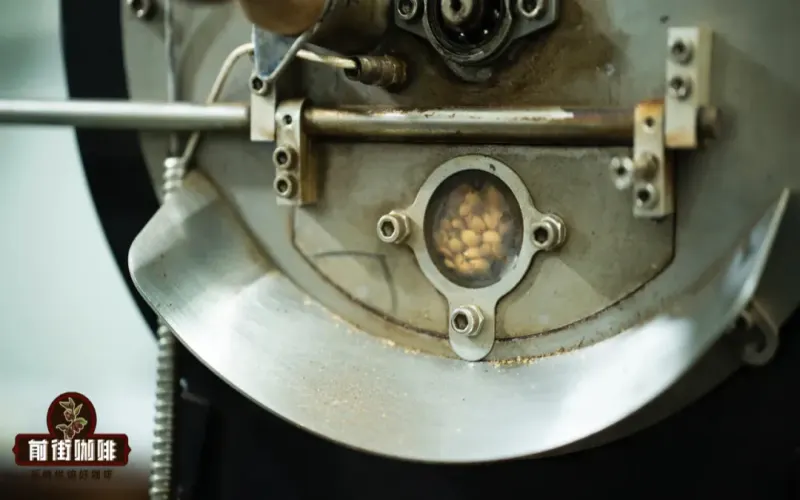
What exactly is coffee bean resting? A detailed explanation of the degassing principle and how to determine the optimal flavor window
Many coffee enthusiasts have heard the saying that "resting beans improves the flavor," but the real purpose of resting is not to create new flavors—it is to let the carbon dioxide accumulated after roasting gradually escape, thereby reducing interference with extraction. The formation of coffee flavor mainly occurs during the roasting stage; once roasting ends, flavor development essentially stops, and from then on the beans continuously degas, entering the resting and peak-flavor stages. Only when carbon dioxide is released to the point where it no longer noticeably hinders the dissolution of flavor compounds does the coffee reach its optimal drinking window. So how long does resting actually take? Different roasting methods, roast levels, and roasting styles all affect the rate of degassing, which is why merchants' recommended resting periods range anywhere from 4 to 30 days. This article starts from the underlying principles and, drawing on Front Street Coffee's practical experience, teaches you how to find a bean's peak state through sensory tasting. [more…]

The Decaf Coffee Story | How Is Caffeine Removed from Coffee Beans to Make Decaf? Is Decaf Specialty Coffee? Does Drinking Decaf Affect Sleep?
Starting the workday with a cup of coffee has become a habit for many friends. With the development of the coffee industry, more and more novel coffee processing methods have emerged. In addition to the diversity of processing methods, the segmentation of coffee categories is also increasing. For example, what Front Street Coffee is going to introduce today is one of the more special ones. [more…]
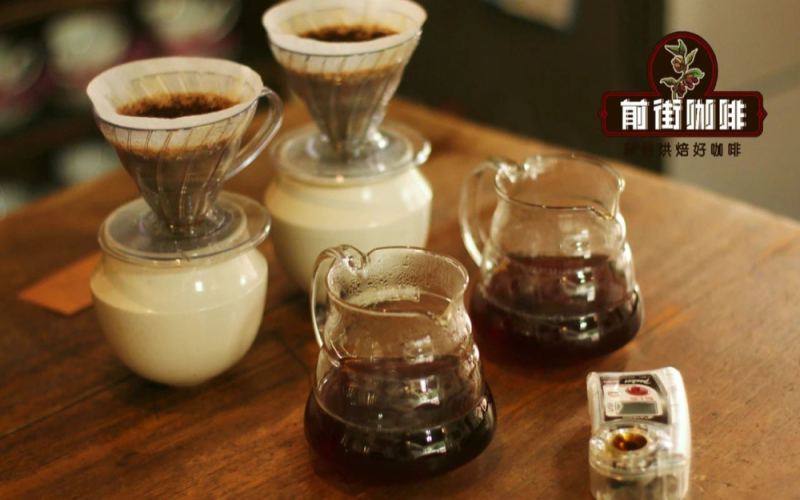
Pour-over Coffee Basics | What Is the Standard Coffee Ground Size for Pour-over? How Do You Determine the Grind Size for Single-Origin Pour-over Beans?
Beginners in pour-over coffee often come to FrontStreet Coffee and ask how to determine the grind size for each coffee bean, what effect grind size has on coffee extraction, how to tell the coarseness of coffee grounds at home, and so on. In this article, Front Street will talk about [more…]
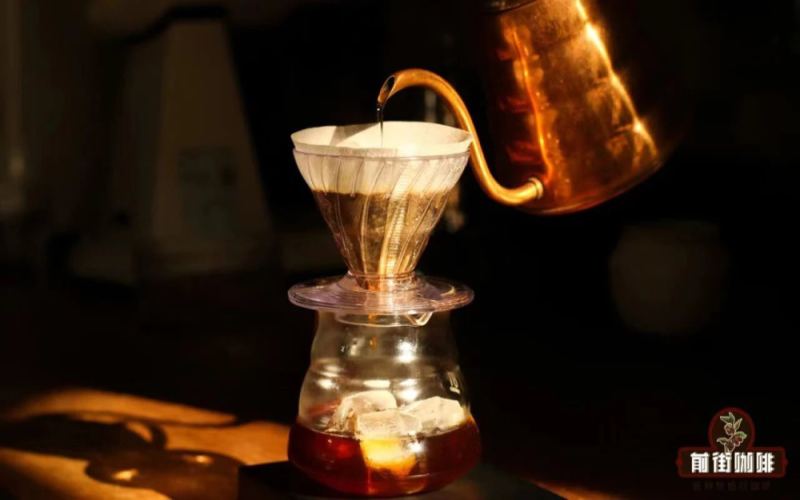
Coffee Bean Grinding | How Does Grind Size Affect the Flavor and Mouthfeel of Pour-Over Coffee? How to Judge Coffee Grind Size Without a Sieve?
The coarseness of the grind in coffee directly affects the contact area between the coffee and water as well as the extraction time, and it will directly impact the taste of the coffee. But at the same time, the coffee grind size is also the most headache-inducing aspect for many people! In this article, Front Street will explain how to determine what the grind size should be for different coffee beans. First, [more…]